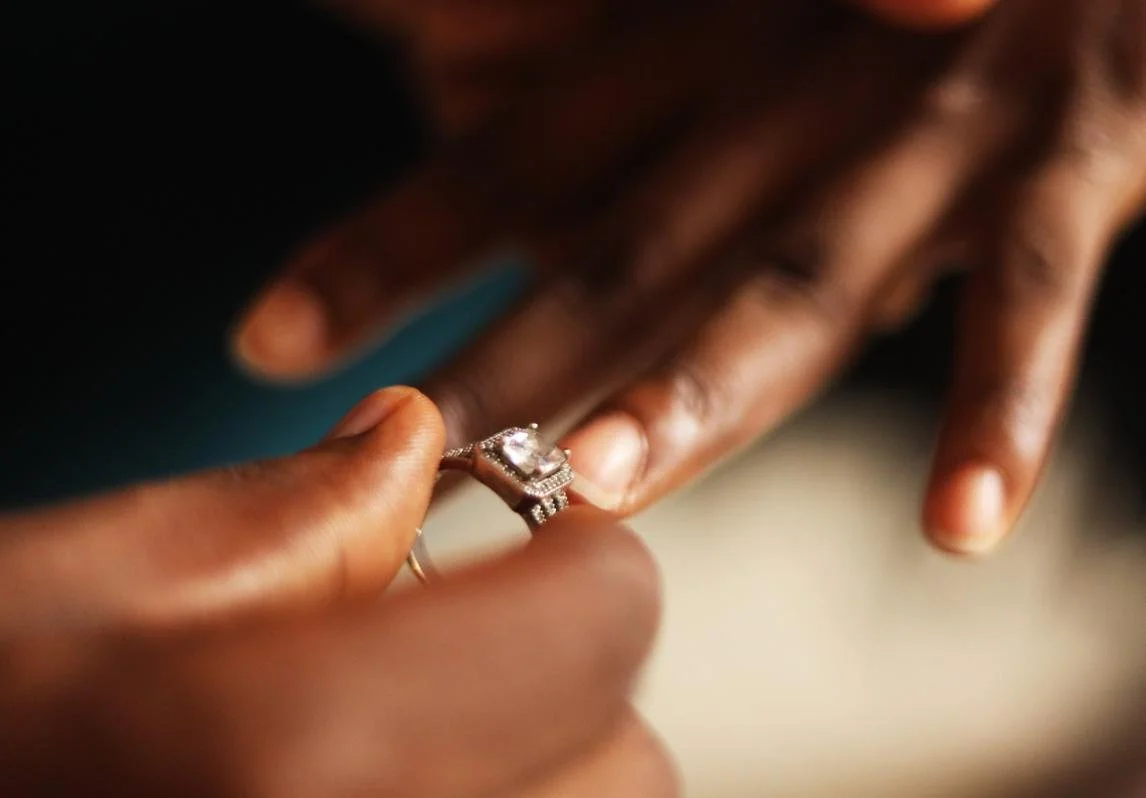
They say a picture is worth a thousand words,
but it doesn’t end there, the method of execution by the author is what carries the words in the picture. As photographers, we have to shoot what it feels like instead of what it looks like, which sets us apart from the rest. Photographs do not only preserve memories they also tell stories, the way they have been told and portrayed depends on the author/photographer.
Intimacy can be defined as being able to share a whole range of thoughts, feelings, connections and experiences with another person or something, it indicates that intimacy is not only reserved for sexual interactions. I believe this is partially why many photographers find it difficult to create connections with the viewers through their photographs. The preferred technique could be in black and white or coloured depending on the approach of the author. The highlights and shadows of black and white images dictate how the image is perceived, most times giving it a nostalgic feel. Most images are already taken before the camera is even handled, what is left is bringing it to life.
Portrait photographers are usually faced with with the dilemma of setting the mood to create or show the intimacy in the portraits, most especially when shooting a family, children, pre-wedding shoots, boudoir photographs etc. What is remarkable about showing intimacy in photographs is that it allows the exploration of a wide spectrum of emotions ranging from joy, excitement, love, and laughter to pain, despair, anger, solitude etc
Things to look out for when trying to create intimacy in portraits :
-
Atmosphere:
First and foremost you need to have a connection with the subject to set them in the mood, this could be a proper briefing of the theme for the shoot to a model, a well-curated playlist of favourite songs of the client before a shoot or the provision of snacks and refreshments to help uplift the spirit of the models or clients.
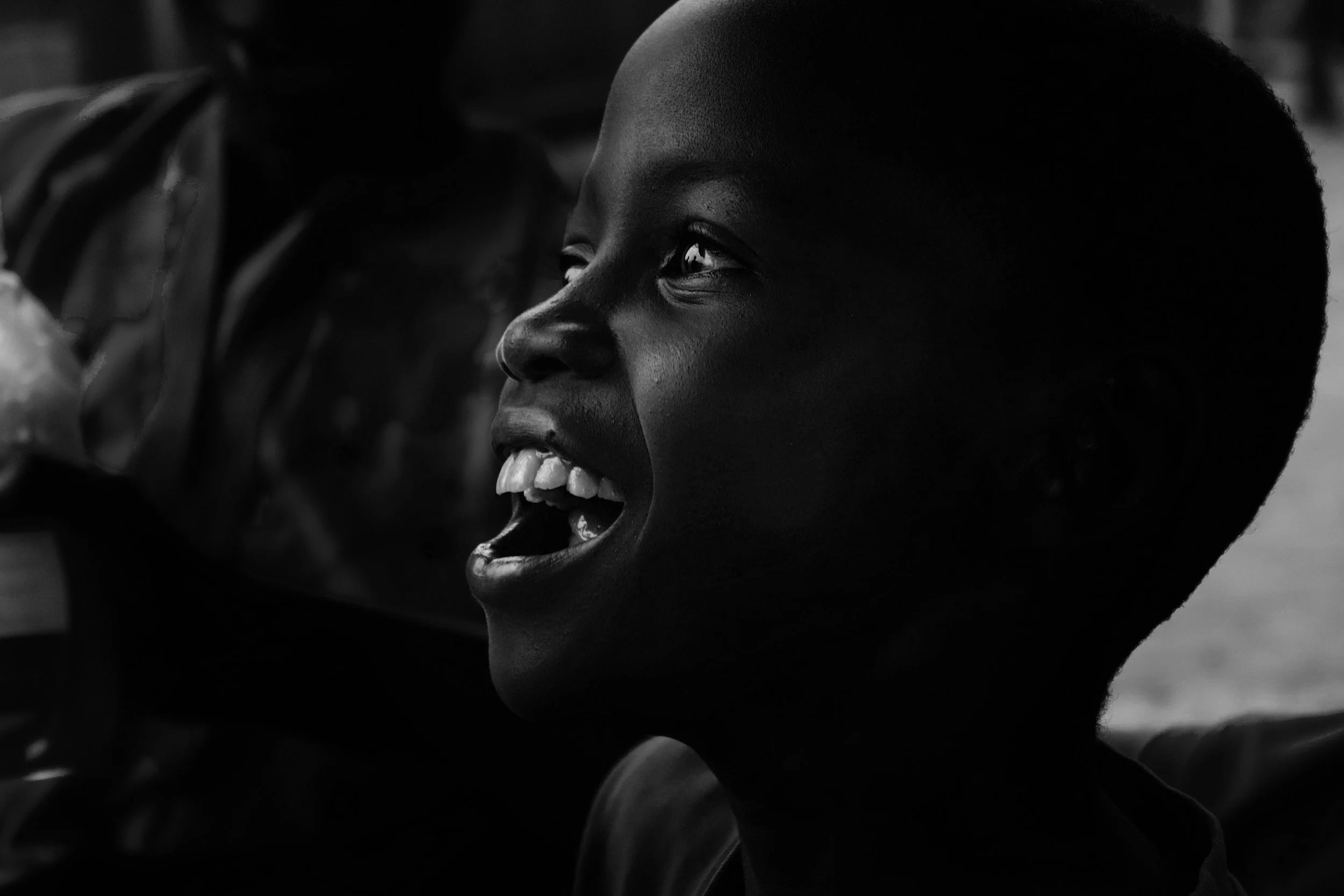
2. Eyes:
The eye is an interesting part of any animal, apart from its primary duty of visual enablement, it is also a great tool for communication and expression, various gestures can be portrayed using eyes like disgust, intent, pain, joy etc, just as a famous phrase goes “the eyes chico, they never lie”. Most times when using eyes to portray intimacy, the attributes on the eyes can take prominence whether through glittery formed by lights, dilation of the pupil, tears or by just being in focus in a close-up photograph.
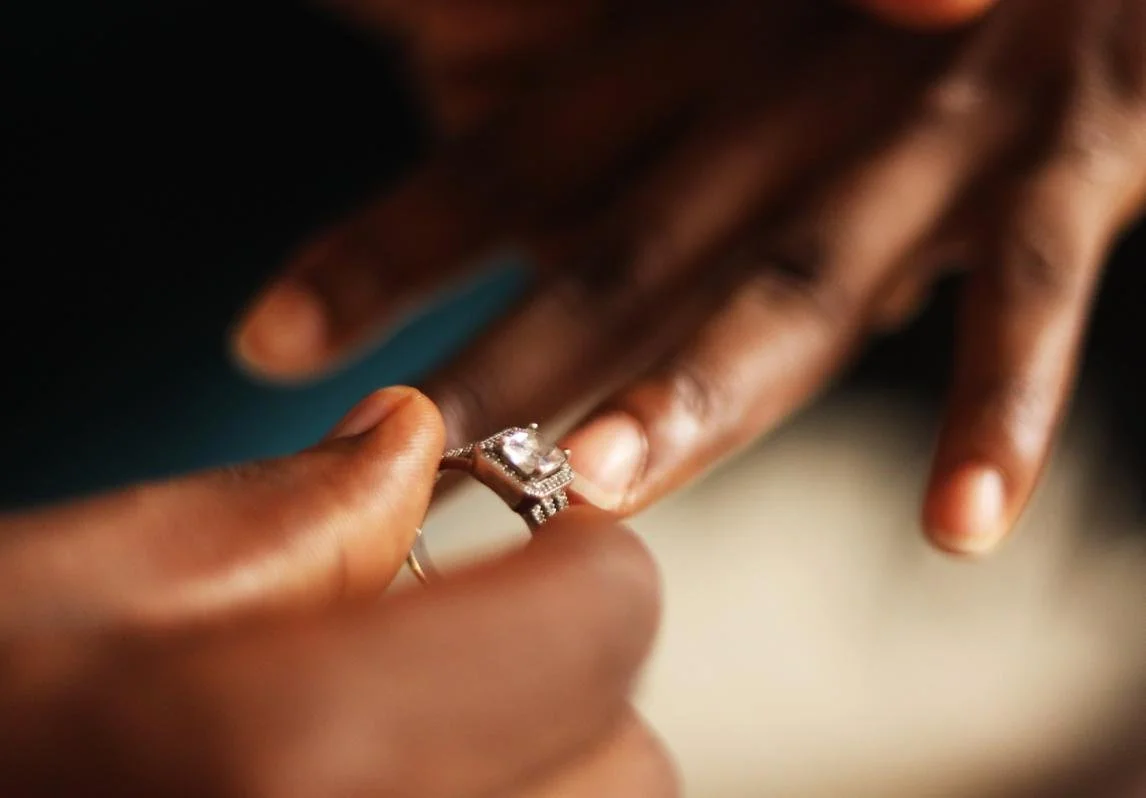
3. Hands:
Hands are effective extensions of the body that can help create, destroy, direct, assist and care for. The attributes of the hand could also be a catalyst in showing intimacy and bridging a connection with the viewer, possible features like scars, wrinkles, veins, and length of furs can indicate a story worth telling. A contrast could also play a role like a newborn holding the hand of an adult or an elderly.
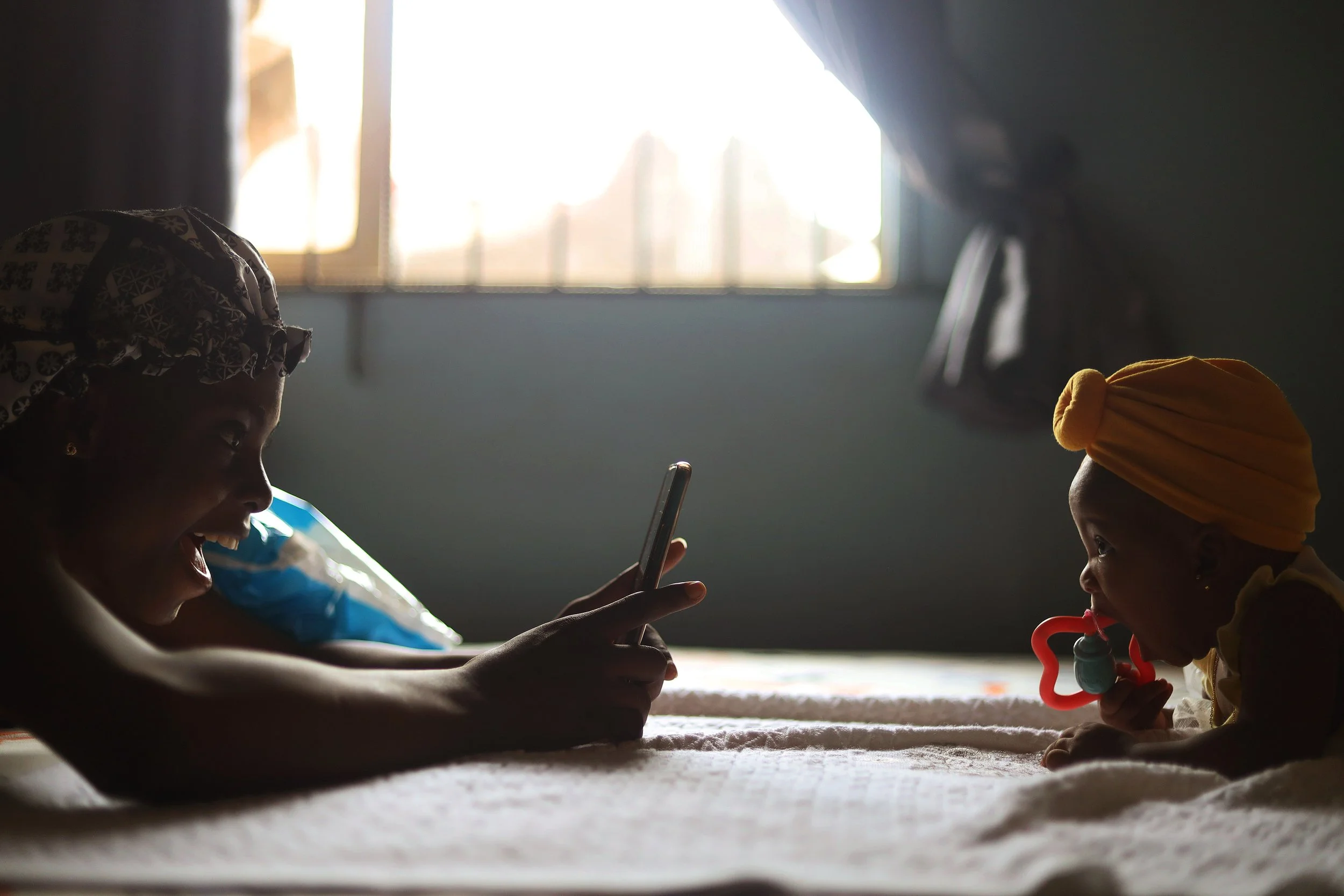
4. Moments:
Capturing moments is one of the bases of photography, a one-second shutter to preserve and sustain a memory. Intimacy in moments can always be achieved in themed shoots or instantaneous occurrences that have become niches over the years examples include pre-wedding shoots, child photography, event photography etc.
5. Tone/Mood:
is one of the most crucial parts of creating photographs with intimacy, just as colours have a psychological effect on how we perceive things, so does colour grading. The same technique also applies in cinematography with tones and mood that set the precedence for a scene. This is why most photographers stick with a specific kind of preset that matches their niche and others use peculiar tones presets depending on what they intend to portray.
Examples of tones and what they could potentially indicate:
Red – Danger
Yellow – Comedy/warmth
Blue – Tension
Vibrancy – Emptiness
Black and White – Nostalgia
6. Composition:
The composition gives the viewer instruction on how to read the image, and a sense of direction on what to look out for or what to focus on, different types of compositions include the rule of thirds, symmetry, diagonals, leading lines etc.
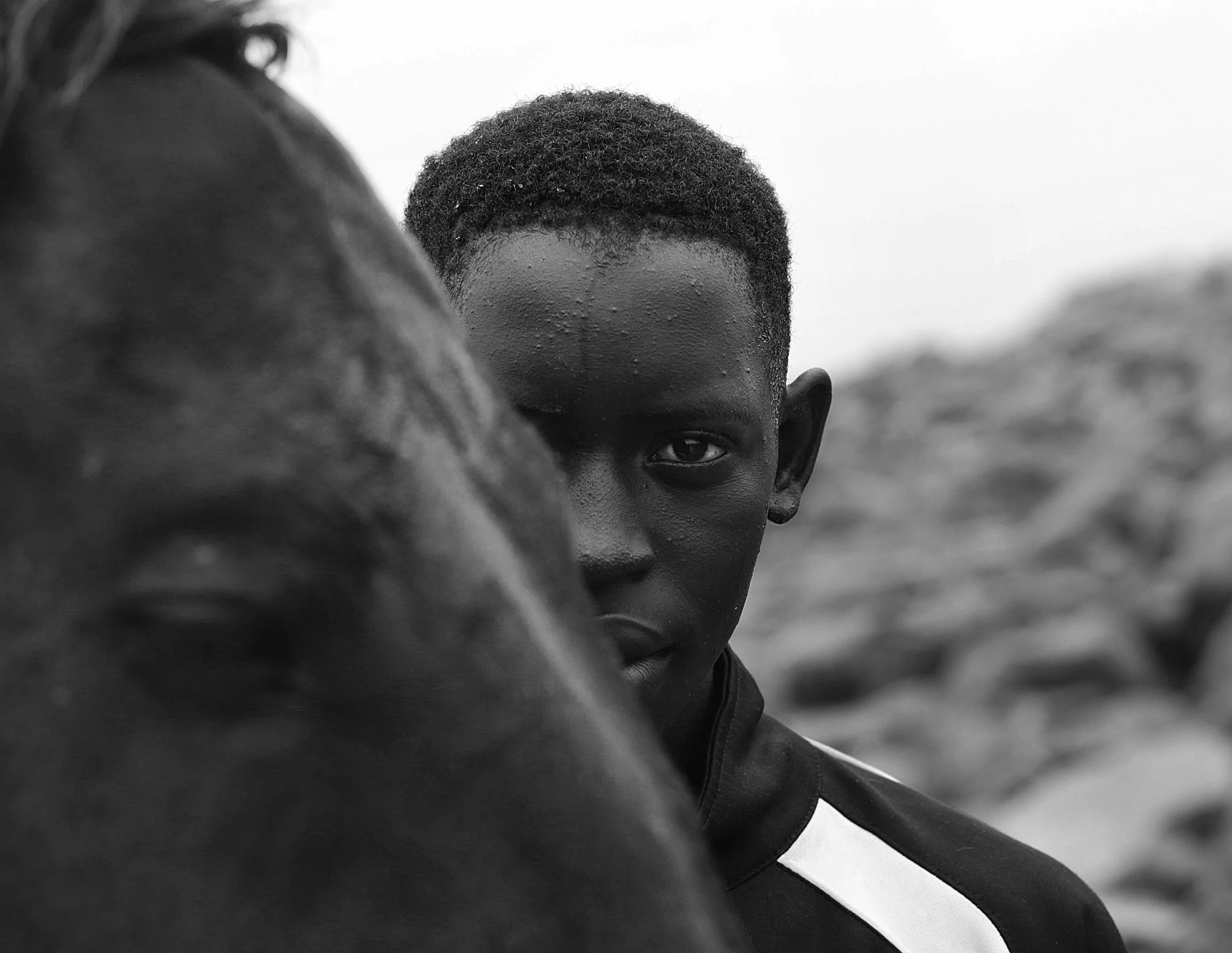
To round this up, we have to acknowledge that each photographer has their way of portraying different scenarios, art remains subjective and reasonable methods of interpretation will always be valid. I encourage photographers reading this to explore more on intimacy of photographs as this is very important in creating a connection with anyone who views the image. Learn the rules, so you can break them.
Ayorinde Instagram
Ayorinde Picha Profile